
Tsinandali Estate
The birthplace of classical Georgian winemaking — where a prince's 19th-century vision still pours into every bottle.
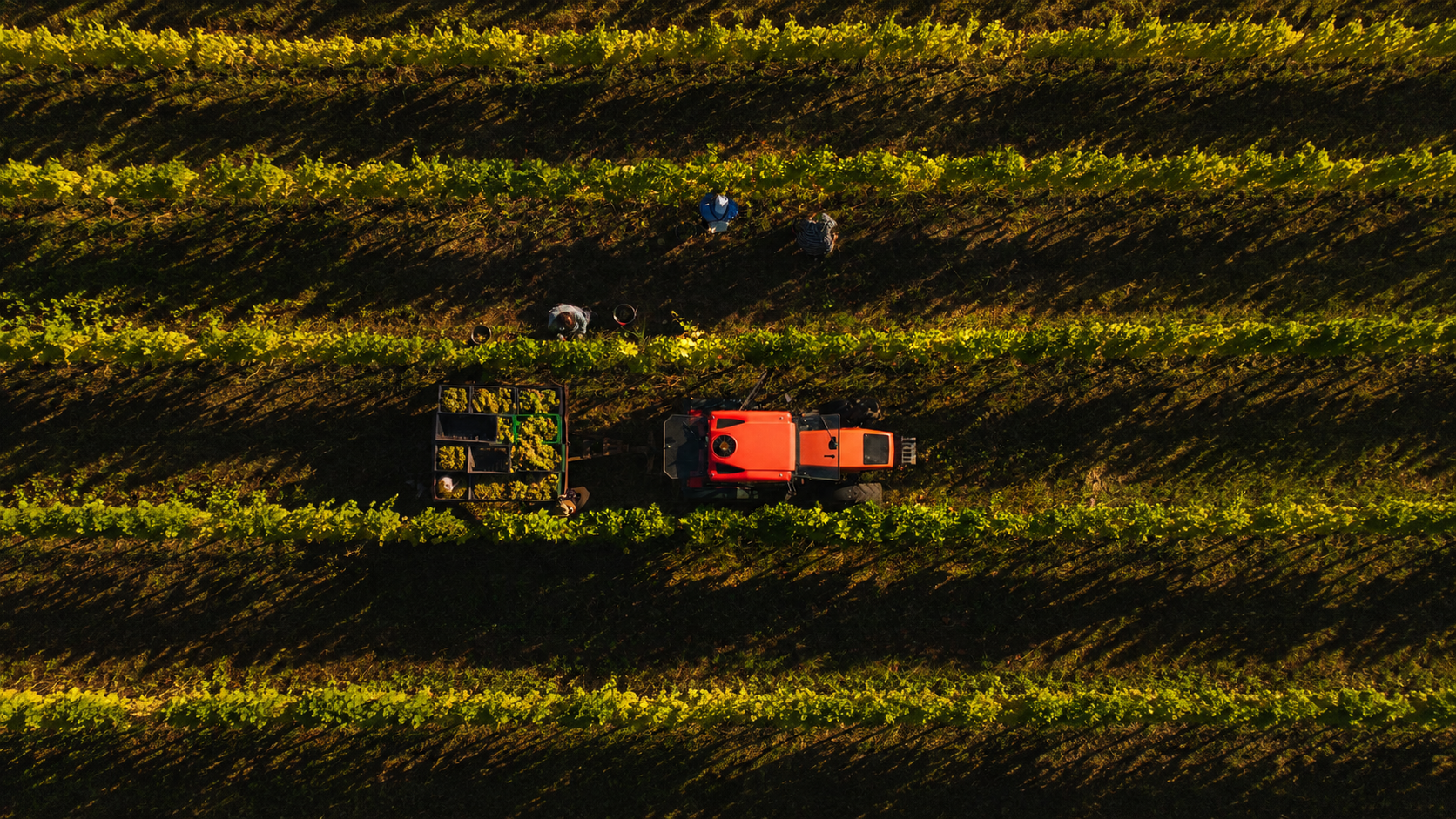
THE BIRTHPLACE OF GEORGIAN CLASSICAL WINEMAKING. A PRINCE'S LEGACY, 16,500 BOTTLES OF HISTORY, AND A VINEYARD THAT HAS BEEN TELLING THE SAME STORY SINCE 1841.
Regions: Kakheti, Tsinandali PDO
-
Tsinandali is the birthplace of classical Georgian winemaking. Prince Alexander Chavchavadze first bottled wine here in 1841 — merging 8,000 years of Georgian tradition with European technique and setting the standard that Georgian winemaking still follows today.
-
Over 16,500 bottles. 70 wine varieties. The collection begins in 1814 and includes Georgia's oldest bottled wine — a Saperavi from 1839. There is nowhere else like this in Georgia.
-
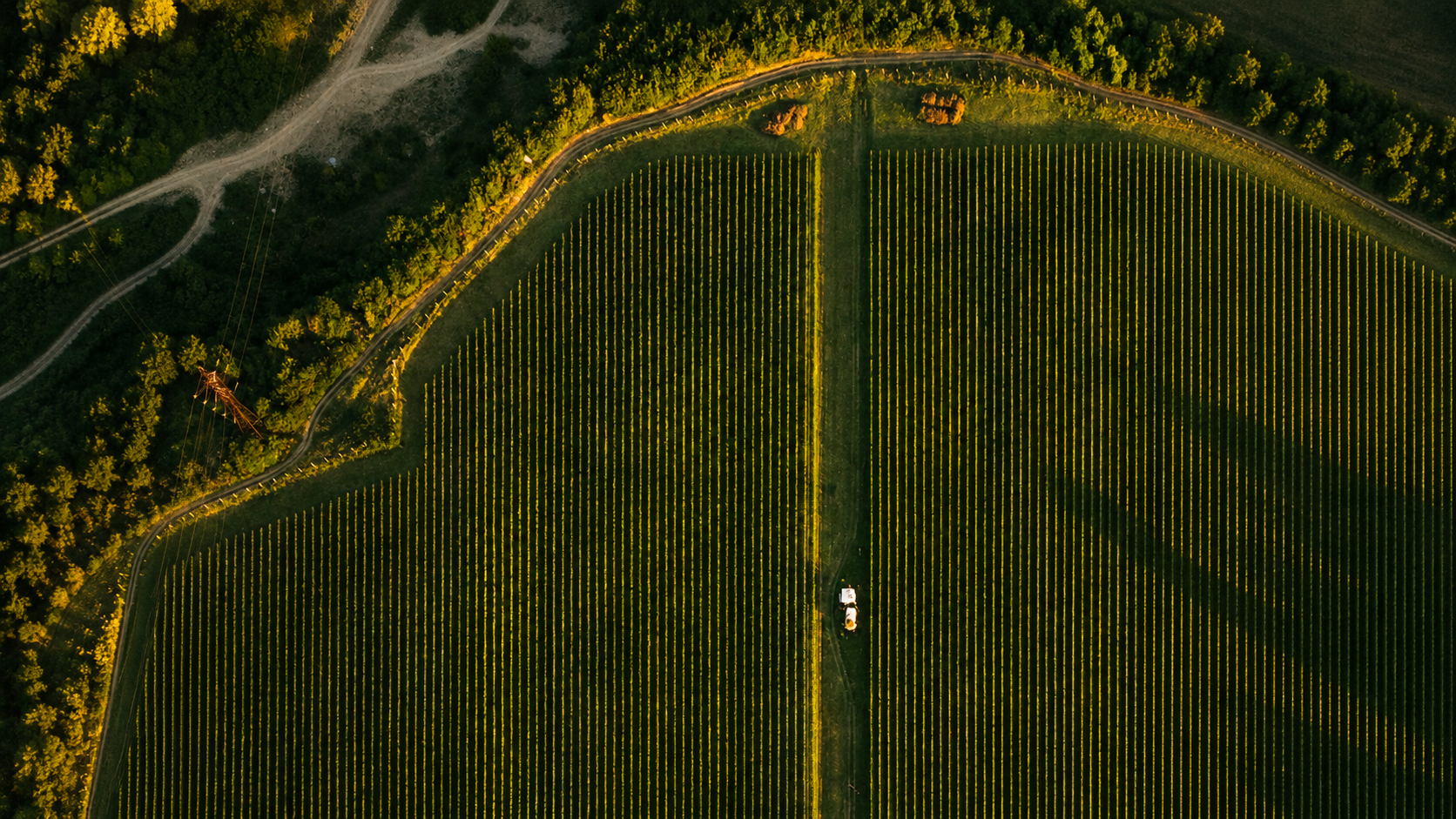
40 hectares on the slopes of the Tsinandali PDO, at 600 to 700 metres elevation. Southeast-facing, bordered by oak forest and crossed by two natural ravines. Limestone, clay and alluvial soils. 11 indigenous Georgian grape varieties, all hand-harvested.
The story
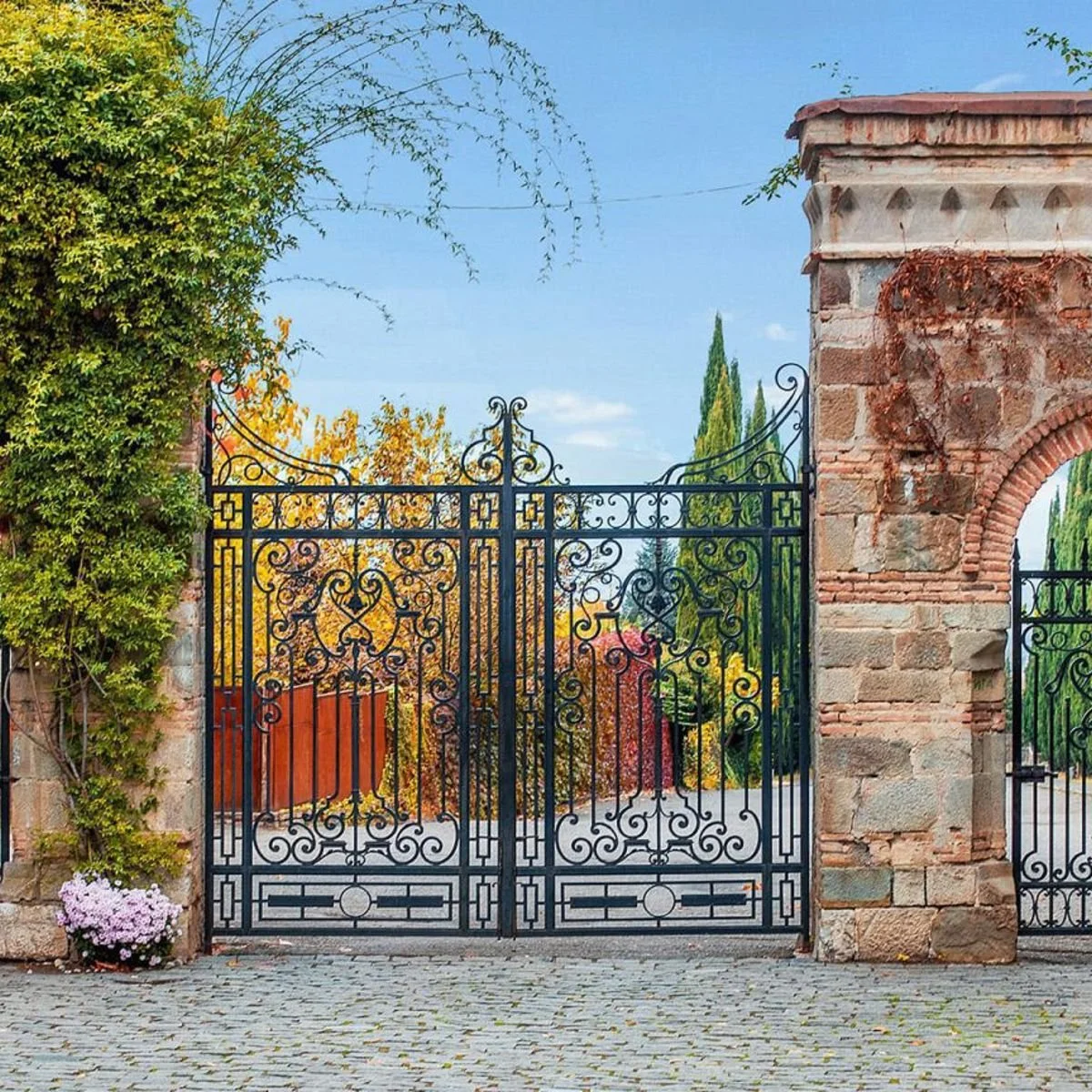
Few wineries anywhere in the world carry a story like Tsinandali's. Tsinandali Estate is recognised as the birthplace of classical Georgian winemaking, where Georgia's very first bottled wine was produced. The estate has been owned for centuries by the princely House of Chavchavadze, but its defining chapter was written by one man.
Prince Alexander Chavchavadze (1786–1846) was a poet, public benefactor, and a prominent military and cultural figure. Familiar with European culture and winemaking, he transformed Tsinandali into something Georgia had never seen before. He built a huge underground wine cellar, placed large clay Qvevri there, opened a barrel workshop, and introduced European wine technology to Georgia — creating a new standard of Georgian wine. Alexander Dumas, who visited, compared Tsinandali to a paradise.
Since 2008, the Tsinandali complex has been under the patronage of Silk Road Group. The estate has been carefully restored and the winery fully revived — today operating as part of a Radisson Collection Hotel while preserving every layer of its historic identity. Owner George Ramishvili describes their approach as carrying forward the spirit of curiosity that defined Tsinandali from the very beginning.
Vineyard & terroir
The vineyards lie on the gentle slopes of the Tsinandali PDO, around 600–700 metres above sea level, where the mountain air of the Tsiv-Gombori range meets the Alazani Valley. With southeastern exposure, the vines benefit from early sunlight and steady breezes that help maintain a healthy canopy while preserving freshness and aromatic clarity in the grapes.
Oak forests surrounding the vineyards help moderate the microclimate and provide natural protection from strong winds. Small ravines running through the estate assist with airflow and water drainage, contributing to balanced vineyard conditions throughout the growing season.
Beneath the vines, soils of limestone, clay, and ancient alluvial sands shaped by the Alazani River create a complex and expressive terroir. Well-drained upper parcels contribute freshness and structure, while deeper lower sections add texture and depth to the wines.
The estate’s unique landscape — bordered by forests and natural canyons — creates a distinct and isolated terroir planted with 11 indigenous Georgian grape varieties.
Winemaking style
Tsinandali Winery combines Georgia’s ancient qvevri tradition with modern winemaking technology. Selected wines are fermented and aged in qvevri with extended skin contact for around six months, preserving the depth and character of traditional Georgian winemaking. Alongside this historic approach, the cellar is equipped with stainless steel tanks and European oak barrels for precise vinification and ageing.
The winery also uses Italian-made Albrigi tanks and a collection of handcrafted Georgian amphorae created specifically for the Tsinandali cellar, bringing together contemporary precision and traditional craftsmanship.
For spirits production, Tsinandali employs Italian Barison distillation equipment to produce chacha and fruit distillates with purity, balance, and aromatic clarity.
THE OENOTHEQUE
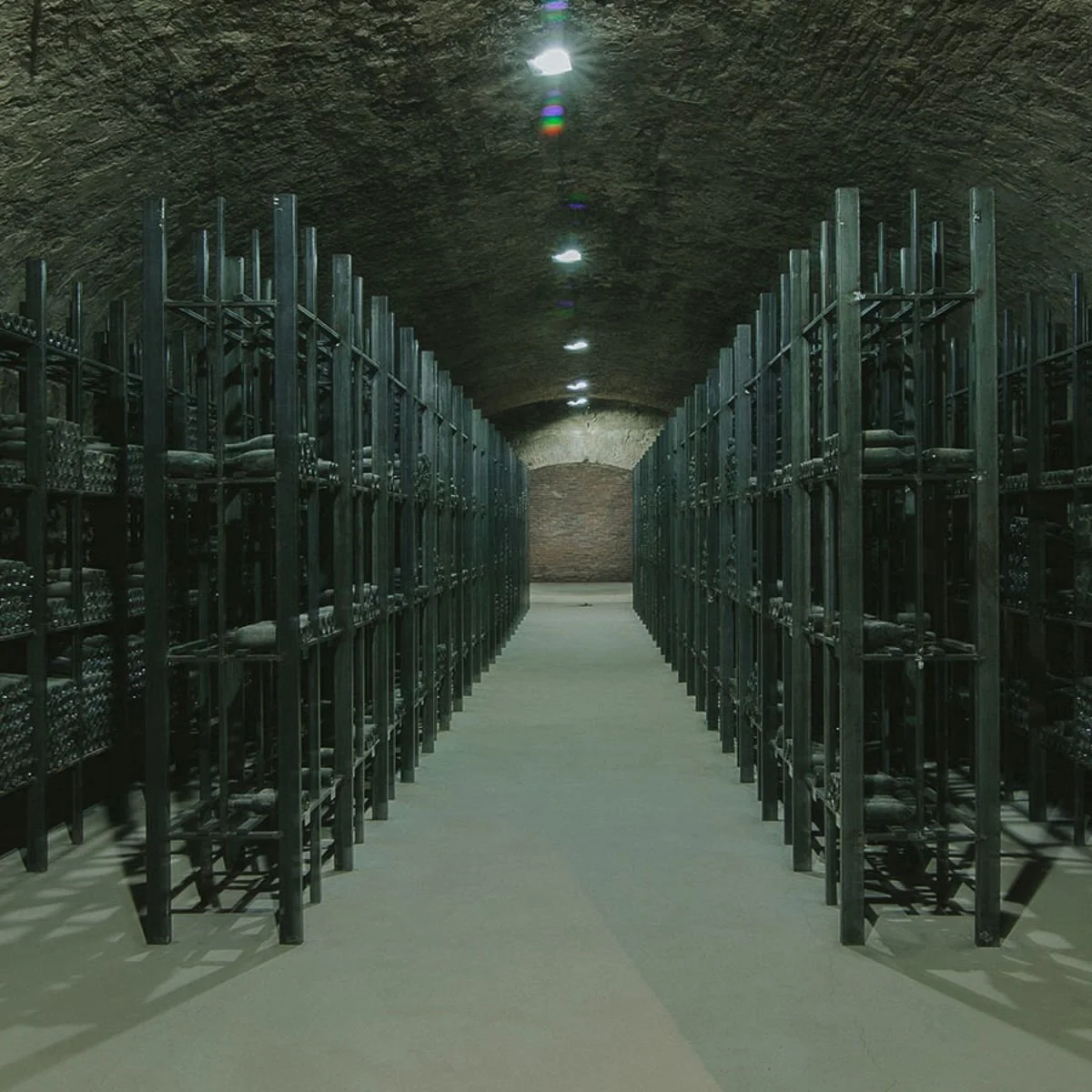
Few wineries in Georgia possess a collection of such historical significance. Prince Alexander Chavchavadze’s remarkable wine collection is preserved within the historic oenotheque at Tsinandali, which houses more than 16,500 bottles representing around 70 different wine varieties.
Among its greatest treasures is the Tsinandali Estate Saperavi from the 1839 vintage, bottled in 1841 and widely regarded as the oldest bottled wine preserved in Georgia. The collection also includes exceptional historic wines such as Château d’Yquem, Château Lafite, and Château Margaux, reflecting the estate’s deep connection to European wine culture and history.
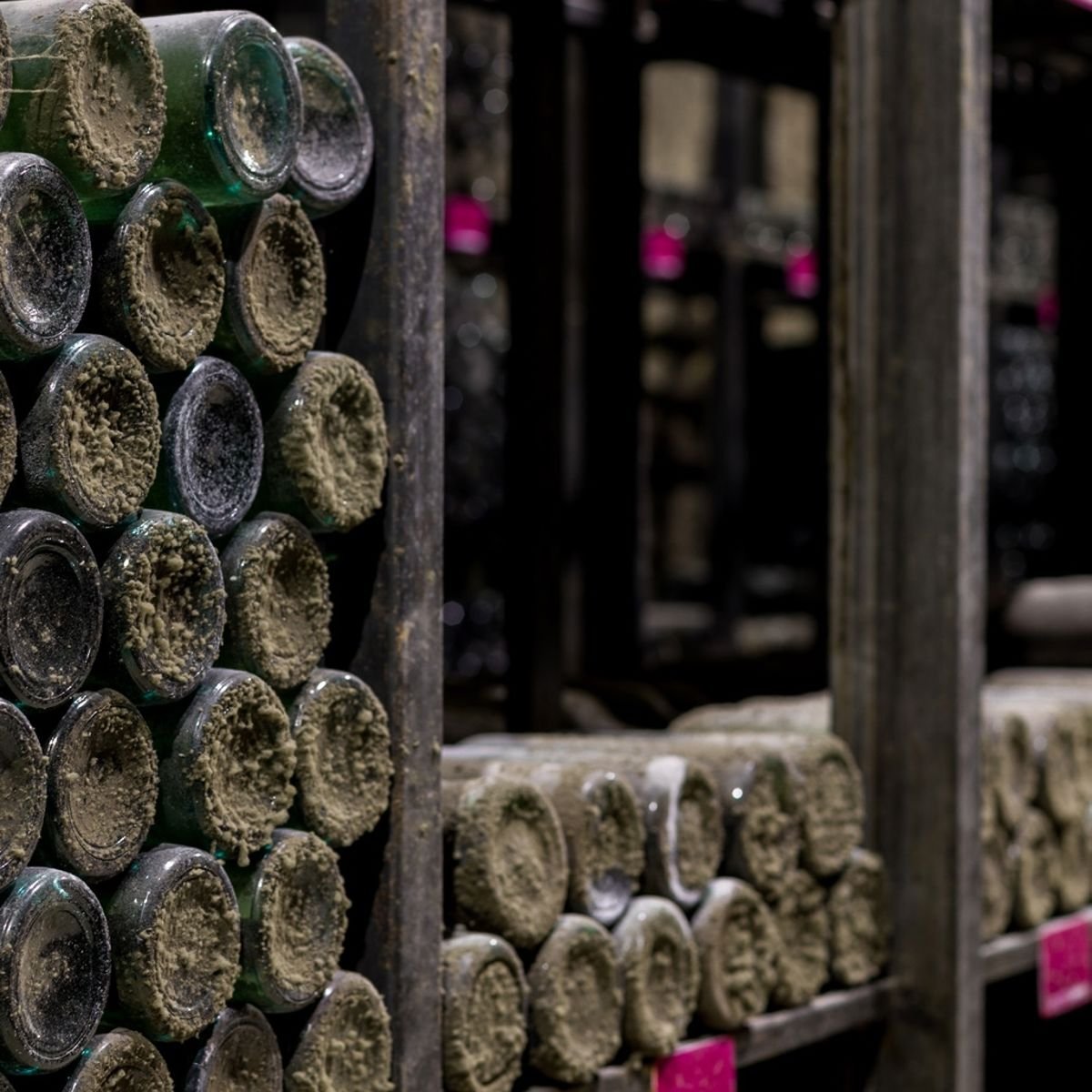
From the cellar of Tsinandali Estate
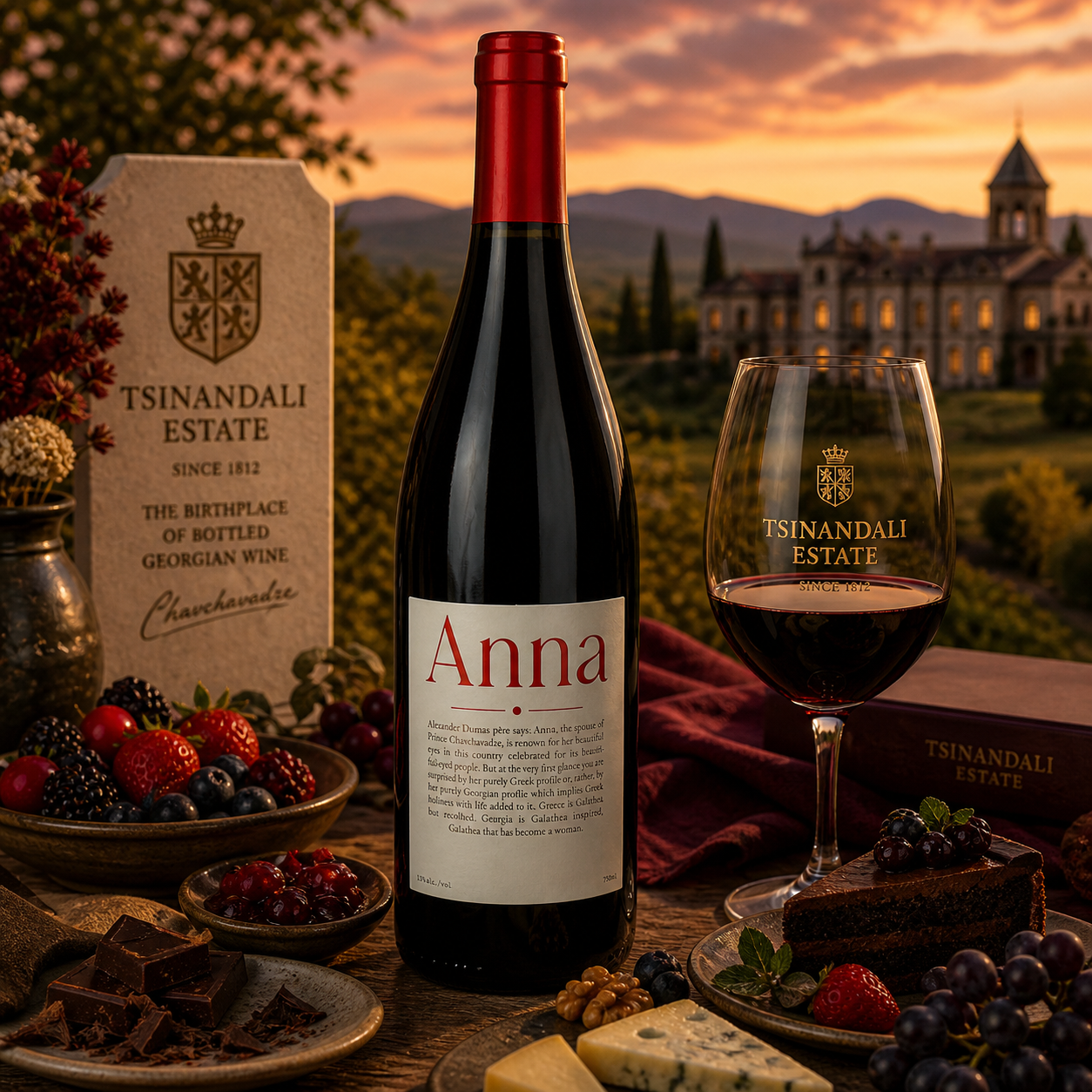
Named with elegance and crafted with history — Anna is a wine that seduces from the very first pour. From the legendary Tsinandali Estate in Kakheti — the historic site where Georgian wine was first bottled in the 1800s — comes this richly expressive semi-sweet red, a blend of two of Georgia's most celebrated indigenous red grapes. Farmed organically across eleven different native vine species in a landscape bordered by canyons and ancient forests, Tsinandali Estate continues to honour over 8,000 years of Georgian winemaking tradition with every vintage it produces. Anna is one of their most charming and accessible expressions — generous, jammy and gloriously alive.
Grape Variety A beautifully crafted blend of Aleksandrouli and Saperavi — two of Georgia's most distinguished indigenous red varieties. Aleksandrouli brings delicate red fruit and elegance, while Saperavi contributes depth, colour and structure. Together they create a semi-sweet red of remarkable harmony and expressive character, farmed organically on Tsinandali Estate's unique Kakheti terroir.
Taste Profile Deep and richly coloured in the glass, with an immediately inviting nose of ripe blackberry and fresh strawberry. On the palate the wine is juicy, generous and full of life — ripe berry fruit and jammy sweetness flowing through excellent tasting dynamics, with a natural freshness that keeps every sip balanced, vibrant and deeply satisfying. A wine that is as easy to love as it is to drink.
Craftsmanship Produced at the historic Tsinandali Estate — recognised as one of the world's most significant sites of wine origin — this 2021 vintage is crafted using a blend of traditional Georgian winemaking methods and modern European techniques. Grown organically across eleven different local vine species in Kakheti's fertile canyon-bordered landscape, every bottle of Anna reflects the estate's unwavering commitment to quality, heritage and authentic Georgian viticulture.
Serving Suggestions Delightful on its own or paired with a wide range of desserts — chocolate, fruit tarts, soft cheeses and berry-based pastries all work beautifully. Also pairs well with spiced meat dishes where its natural sweetness provides a perfect counterbalance. Best served at 14–16°C. Alcohol: 14.5% — 750ml.
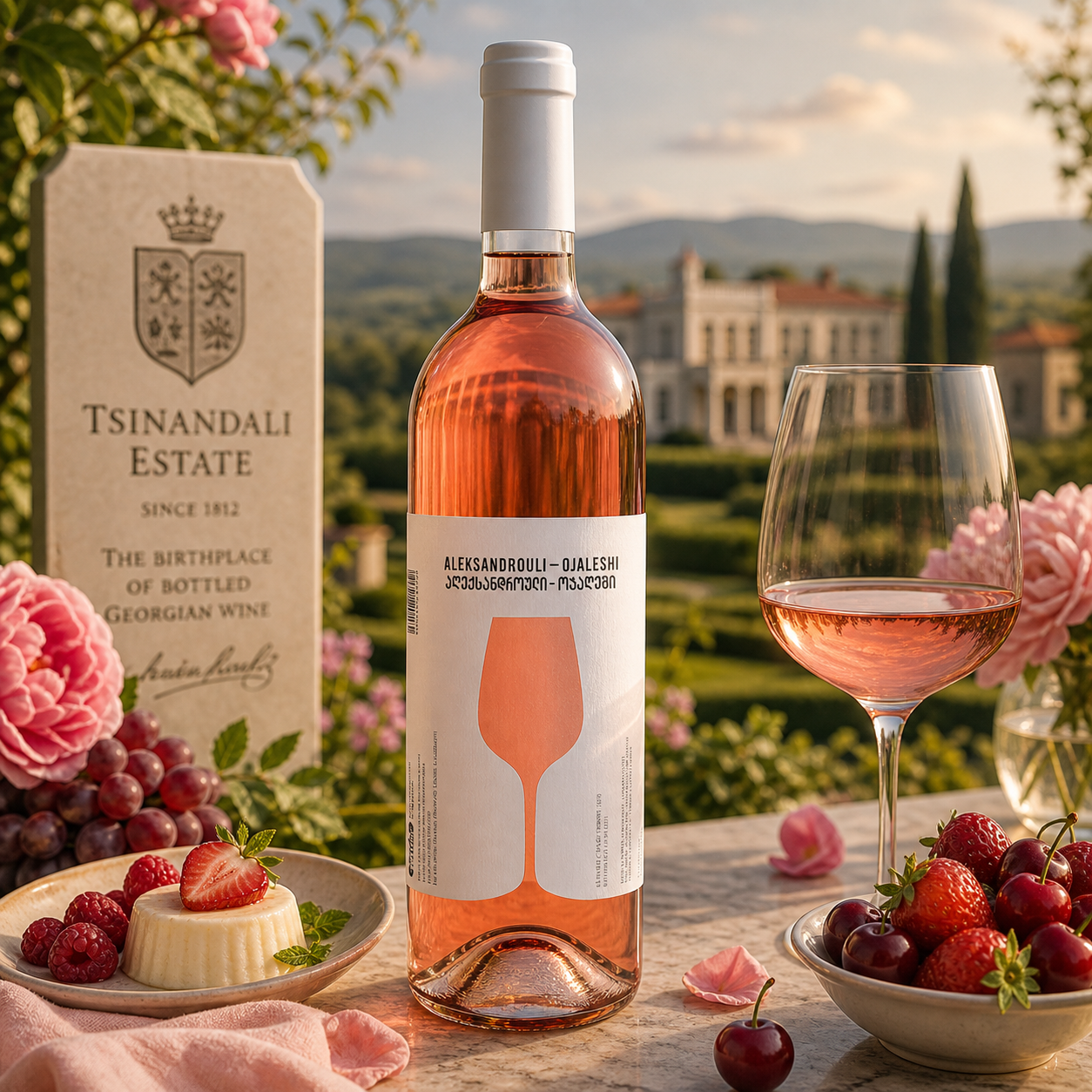
From the birthplace of bottled Georgian wine comes a rosé unlike any other. The legendary Tsinandali Estate — home to Prince Alexander Chavchavadze, the visionary nobleman who first brought Georgian wine to European tables in the 19th century — has crafted a rosé that is as historically rich as it is delightfully drinkable. A remarkable blend of two rare indigenous Georgian grapes from opposite ends of the country — Aleksandrouli from the mountain region of Racha and Ojaleshi from the coastal plains of Samegrelo — united here in a semi-dry rosé of real elegance, freshness and charm.
Grape Variety A unique and rare blend of two near-extinct indigenous Georgian grapes — Aleksandrouli, a celebrated red variety native to the mountainous Racha region, and Ojaleshi, a rare and almost lost variety from the Samegrelo region of West Georgia. Together they create a rosé of remarkable character, balancing bright red fruit with a natural freshness that is entirely and unmistakably Georgian.
Taste Profile Pale and luminous in the glass, with a fresh and inviting nose of red cherry, ripe strawberry and refreshing red berry aromas. On the palate the wine is elegant and beautifully balanced — the gentle sweetness of this semi-dry rosé perfectly counterpoised by a lively, high natural acidity that keeps it fresh, vibrant and wonderfully versatile. Equally at home alongside a main course or a dessert.
Craftsmanship Handpicked from the historic vineyards of Tsinandali Estate in Kakheti — the very estate where Georgian wine was first bottled — this 2020 vintage is produced using modern European winemaking techniques that preserve the natural freshness and delicate fruit character of both grape varieties. A wine that continues a winemaking legacy stretching back over 8,000 years.
Serving Suggestions Best served at 10–12°C. Wonderfully versatile — pairs beautifully with light mains, fresh salads, soft cheeses and fruit-based desserts. Alcohol: 12.5% — 750ml.
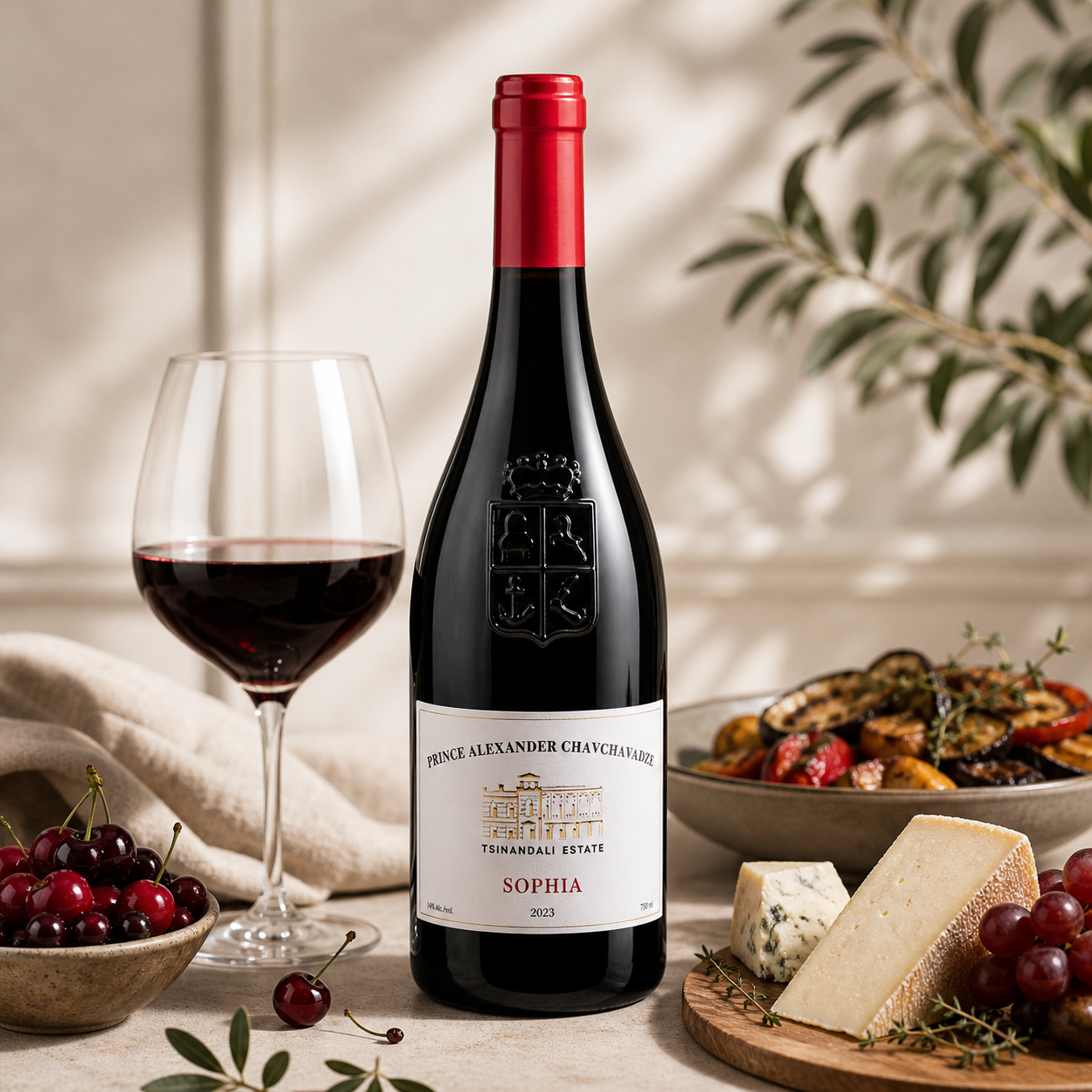
Named with intention and crafted with purpose — Sopia is the latest expression of a winemaking tradition that spans over 150 years at the legendary Tsinandali Estate. A masterful blend of two rare mountain grape varieties from the Racha region, this 2023 cuvée is the vision of the estate's cellar master — elegant, fruit-forward and deeply rooted in Georgian heritage. Two grapes, one story, endless character.
Grape Variety A refined blend of Aleksandrouli and Mujuretuli — two of Georgia's 525 autochthonous grape varieties, originally from the mountainous Racha region and today cultivated in the celebrated vineyards of Tsinandali in Kakheti. Each variety brings its own personality — together they create a wine of rare elegance and expressive fruit.
Taste Profile Fruit-forward and beautifully elegant on the nose, with delicate aromas of ripe cherry and red berries. On the palate the wine is smooth and refined, with vibrant red fruit flavours, a lovely balance and a clean, lingering finish. Light on residual sugar at just 2.9g/l — dry, fresh and irresistibly drinkable.
Craftsmanship Crafted at the historic Tsinandali Estate in Kakheti — the birthplace of bottled Georgian wine — this 2023 vintage is produced using European winemaking techniques, fermented in stainless steel tanks to preserve the natural purity and freshness of both grape varieties. Following a 150-year cuvée tradition, the cellar master composed Sopia as a new chapter in Tsinandali's remarkable story.
Serving Suggestions A wonderfully versatile food wine. Pairs beautifully with meat dishes, roasted vegetables, pasta and aged cheeses. Best served at 16–18°C. Alcohol: 14% — 750ml.